

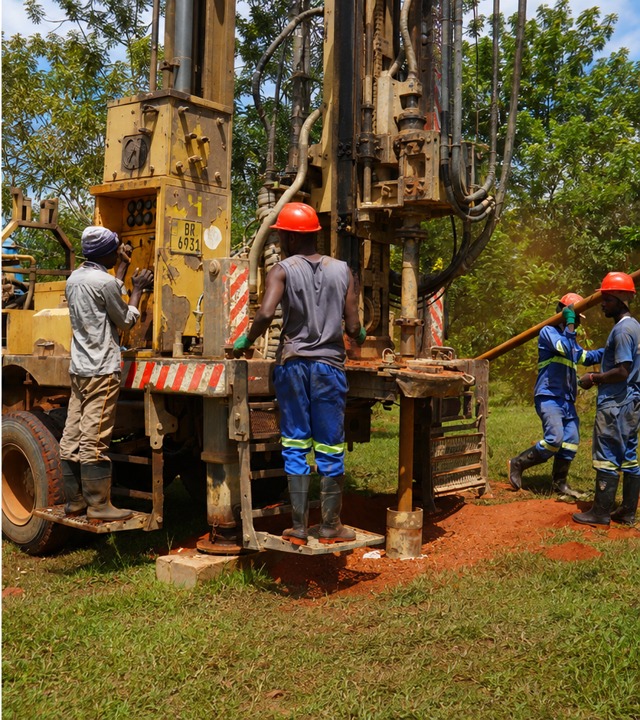
Ask people in rural Malawi what changes a community, and many will point to a borehole. Clean water closer to home, healthier children, more to fall back on when the rains fail. What fewer people picture is the person who made it possible. Drillers sit at the centre of groundwater development, and yet they are rarely part of the wider conversation. When a borehole runs dry or fails within a year, the driller is often the one who carries the blame, cast as the villain in a story they were given little help to shape.
That has always felt unfair to us at BASEflow. Every choice a driller makes, from where to sink the borehole to how they test it once water is found, shapes whether a community drinks safely for years or walks back to the river within months. Investing in the people who drill is every bit as important as investing in the boreholes themselves.
The Technical
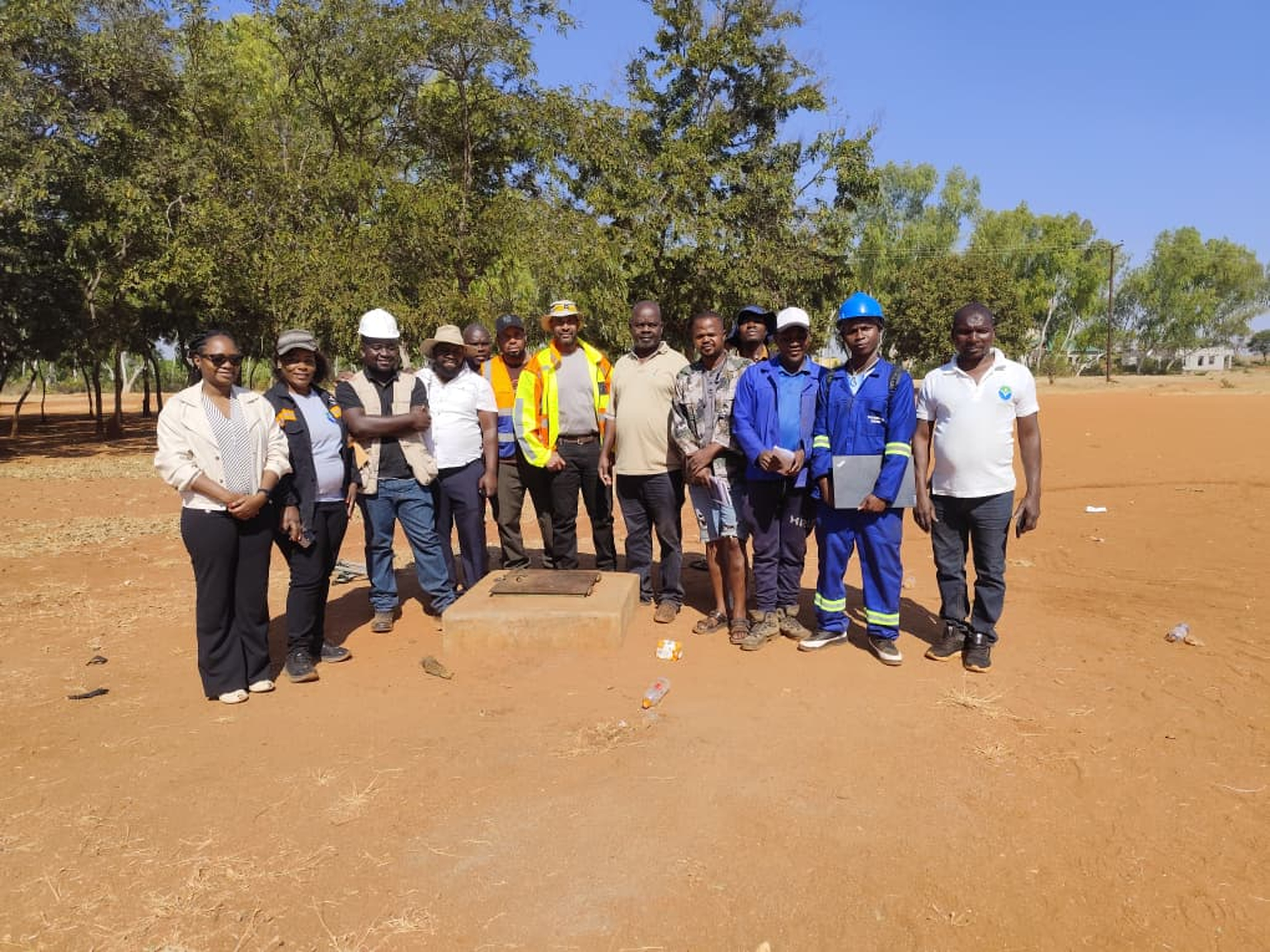
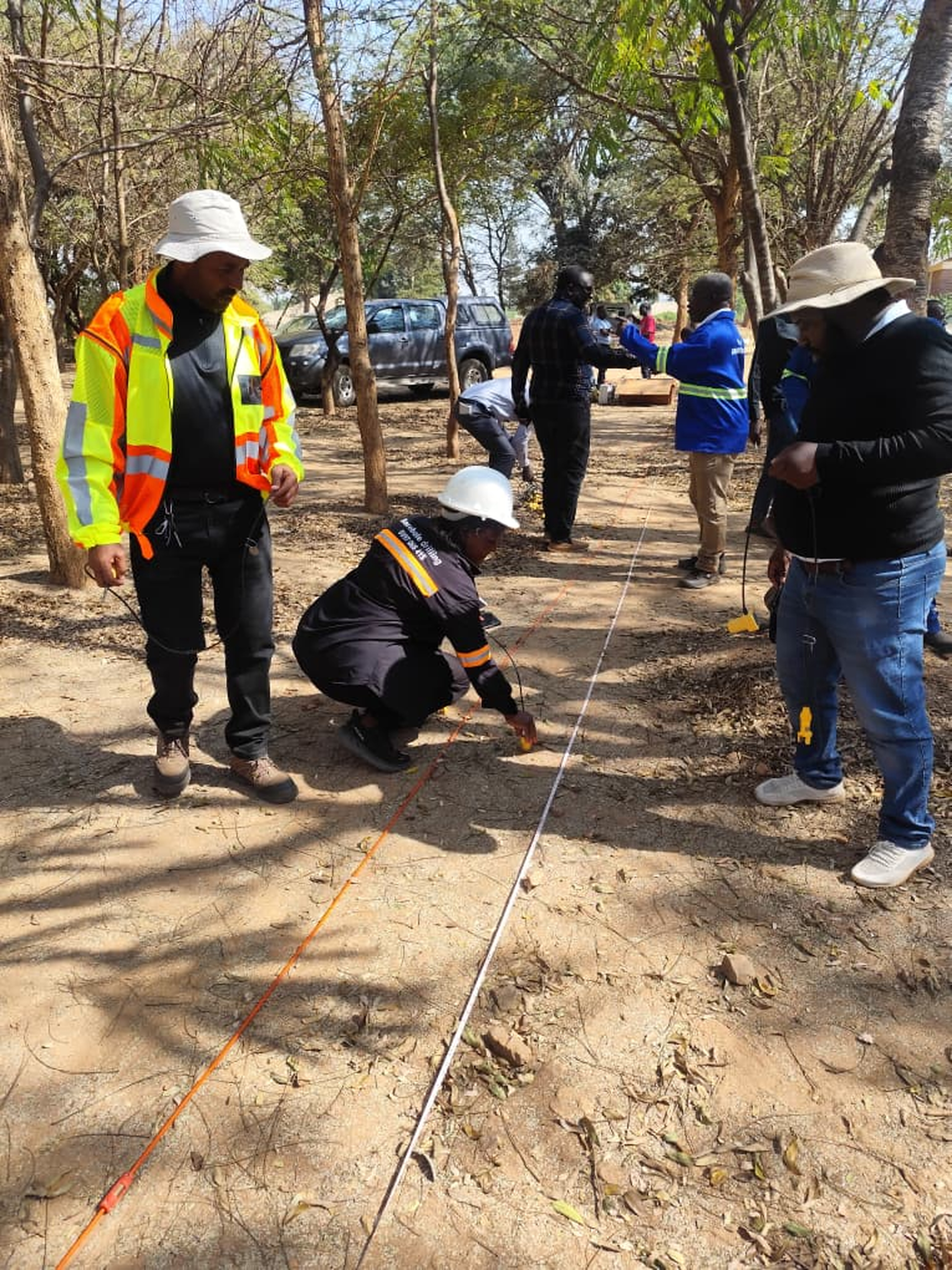
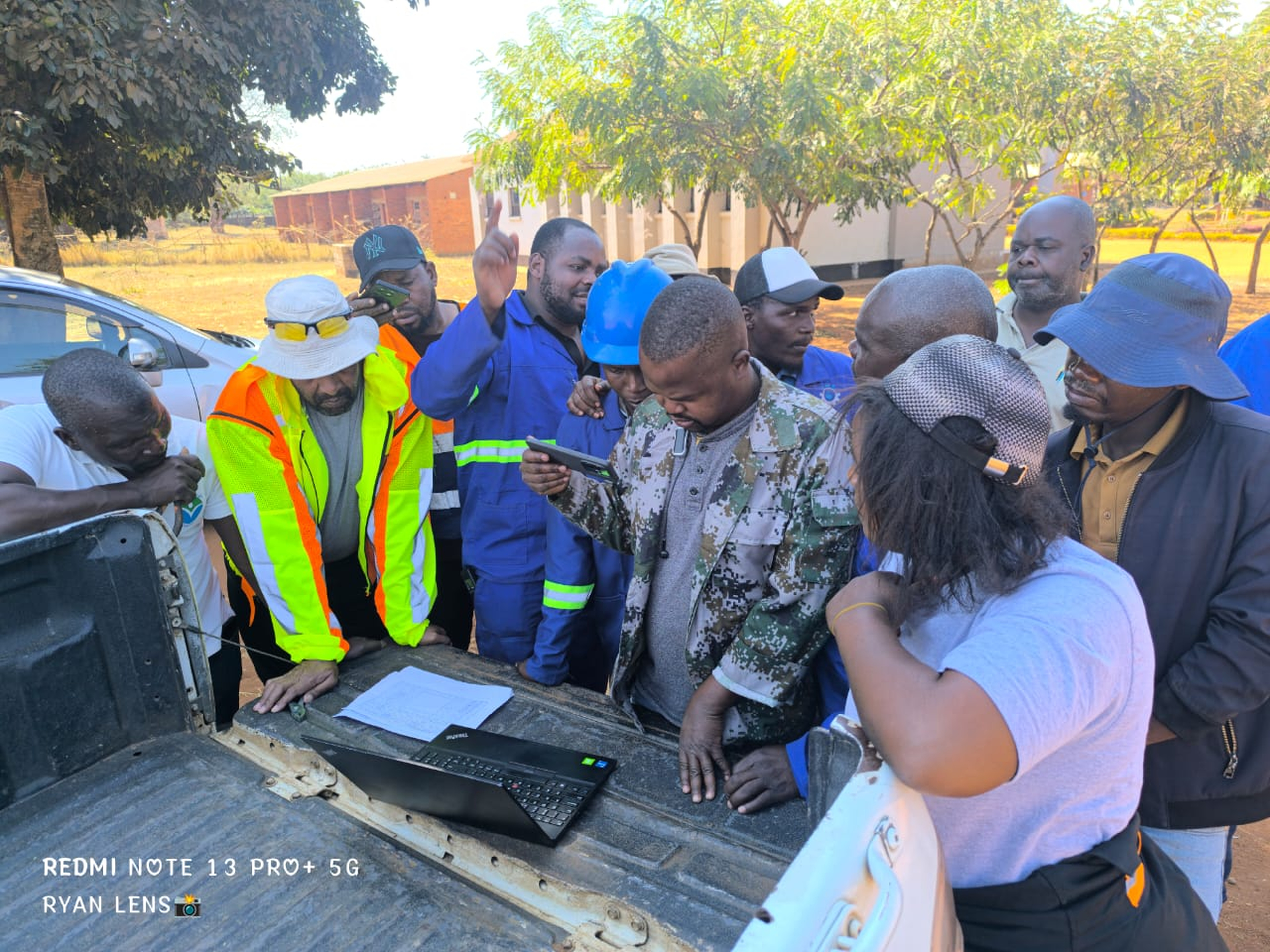
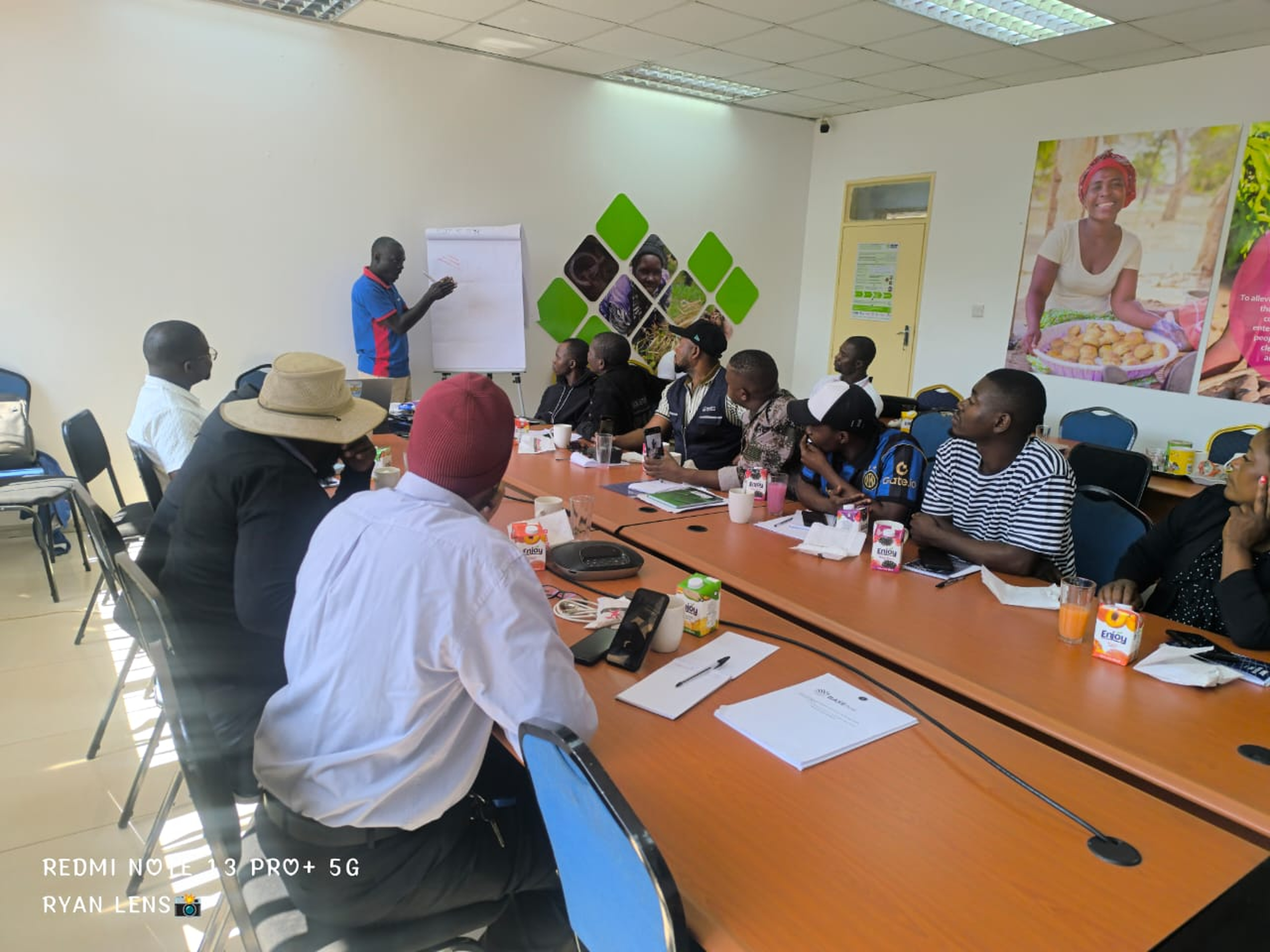
So from 13 to 17 July 2026, with support from the Crap Foundation, BASEflow worked with the Borehole Drillers Association of Malawi to bring drillers from across the country together for a five day training in Lilongwe. Twenty six people filled the room, most of them working drillers, alongside colleagues from government and the water sector. Three days of classroom work at Self Help Africa gave way to two days in the field, with a geophysical survey at Mkwichi Primary School and a pumping test at the Chinkhuti monitoring well. The week turned on three things a driller has to get right, contracts, geophysics, and pumping tests.Contracts came first, and they matter more than most people outside the trade imagine. A borehole contract decides who carries the loss when the ground refuses to cooperate or a hole comes up dry, and too often drillers sign what is put in front of them and shoulder costs that were never theirs. Participants learned to read a contract closely, catch the clauses that quietly push all the risk their way, and shape fairer agreements that split liability sensibly between client and driller. A fair contract protects both sides.
Then came geophysics, the work of reading what lies beneath the surface before a single metre is drilled. Groundwater collects in fractures and weathered zones that give no sign from above, and a geophysical survey uses instruments to map those hidden features so a driller can site a borehole where the water actually is. Put it in the wrong place and even flawless drilling produces a dry hole. The sessions covered planning a survey, running the equipment, and reading the data, so siting rests on evidence rather than luck.
The third piece was pumping tests, where a borehole proves itself. Finding water is not the same as finding enough water. A pumping test measures how much a borehole can yield and how fast its water level recovers, showing whether it can meet the demand of the community that will rely on it. Draw more than it can sustainably give and it runs dry in a hard season. Participants ran the procedure, monitored water levels, and learned to judge a borehole's true performance.
The People
Behind the technical content were people, and I wanted to hear what the week had meant to them. I sat down with Malumbo Gondwe, who owns MAROGO Civils and serves as Chief Secretary of the association. He began, of all places, with contracts."We have benefited a lot, especially on the part that is known as high risk clauses. We used to overlook that a lot. When a big mishap occurred on the ground, it would become a burden on us. We would scramble for solutions."
He was just as direct about equipment. "We have most of the equipment, but we lacked comprehensive technical know how. That is what we have found most useful here." Owning a geophysical rig is one thing. Reading what it tells you, and drilling in the right place because of it, is another.Like many others, Malumbo wished for more time. "One week was inadequate considering the content we were covering. We were being crammed with a lot within a day." His fix was simple, fewer topics explored more deeply, with more hours in the field. He also looked ahead to a sector that works together rather than in competition. "We are trying to bring order and sanity," he said.
The satisfaction survey we ran at the close of the week echoed those voices. Ten participants completed it. The practical sessions on geophysics and pumping tests drew the strongest response, and ninety percent said they now felt confident carrying out both. Every respondent said the training met their expectations, that the sessions were well structured, and that they would recommend it to a colleague. Their main request was simply for more, longer practical sessions and trainings that reach other regions so more drillers can take part.
The Future
Drillers have long carried an unfair reputation, praised when the water flows and blamed when it does not. A single week in Lilongwe will not undo that. What it can do is put better skills in capable hands and treat the people who reach our groundwater as partners worth backing. If we want wells that do not run dry, we need drillers who know how to find the water, prove there is enough of it, and drill for it on fair terms. Malawi's water security rests on thousands of boreholes still to be drilled, and on the drillers who will sink them well.