

When we told Village Headman Mdoka of Manduwasa about our new revenue matching pilot, he could hardly believe what he was hearing.
“Wow!! I never expected to be blessed in this way! First, BASEflow came here and constructed this water system, trained our committees, and worked with us whenever the system experienced challenges. And now, you are supporting us with money through this revenue matching initiative?”
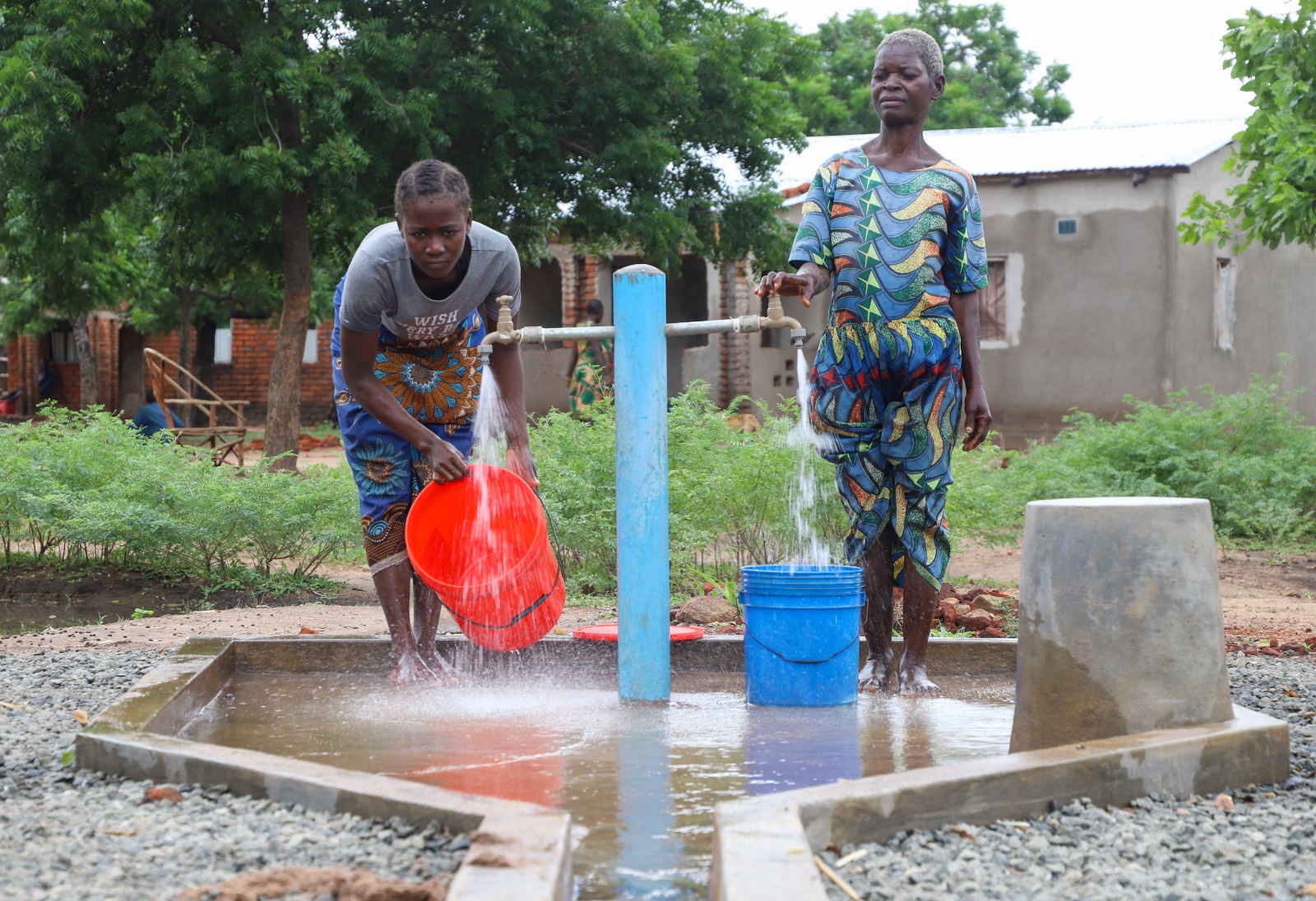
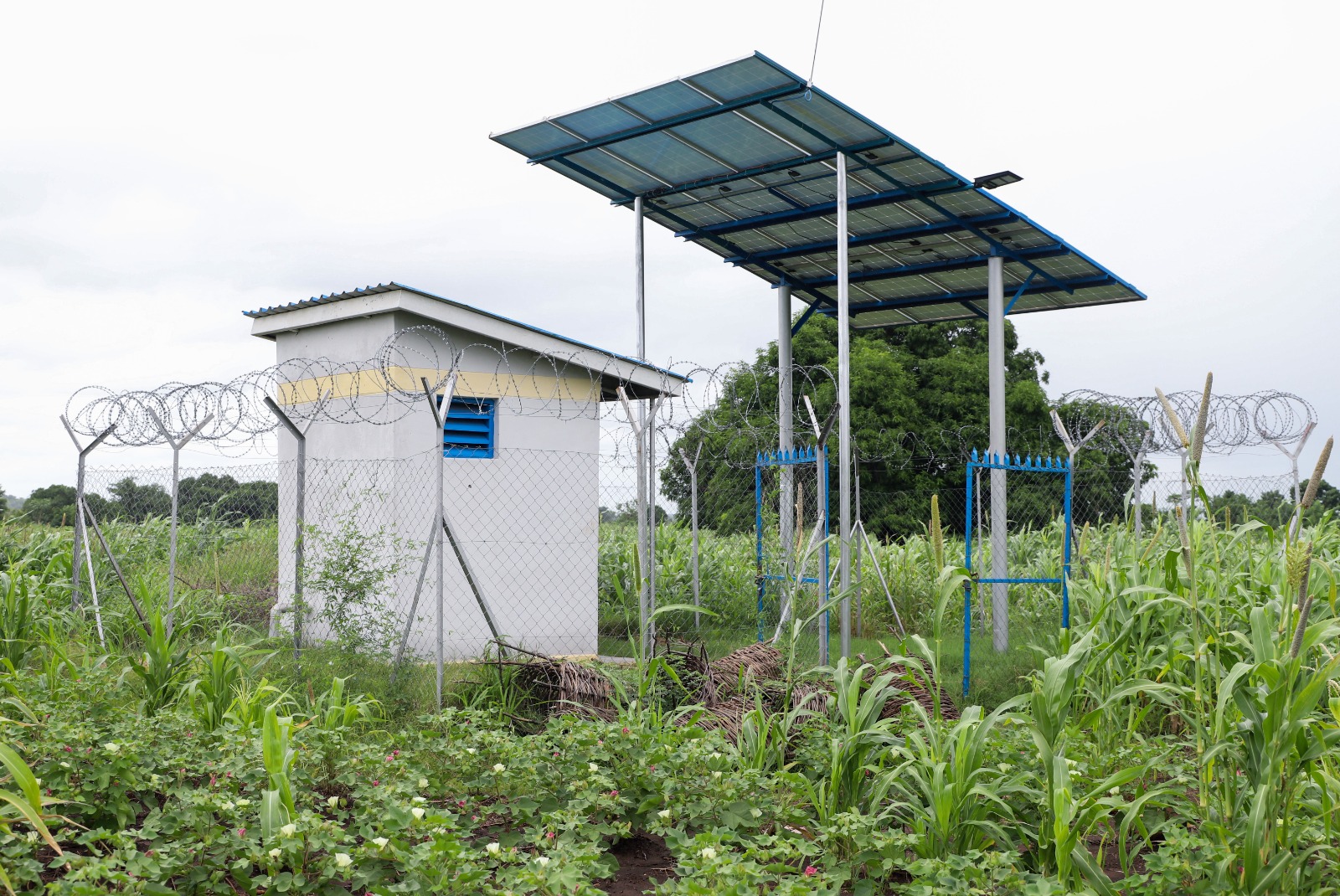
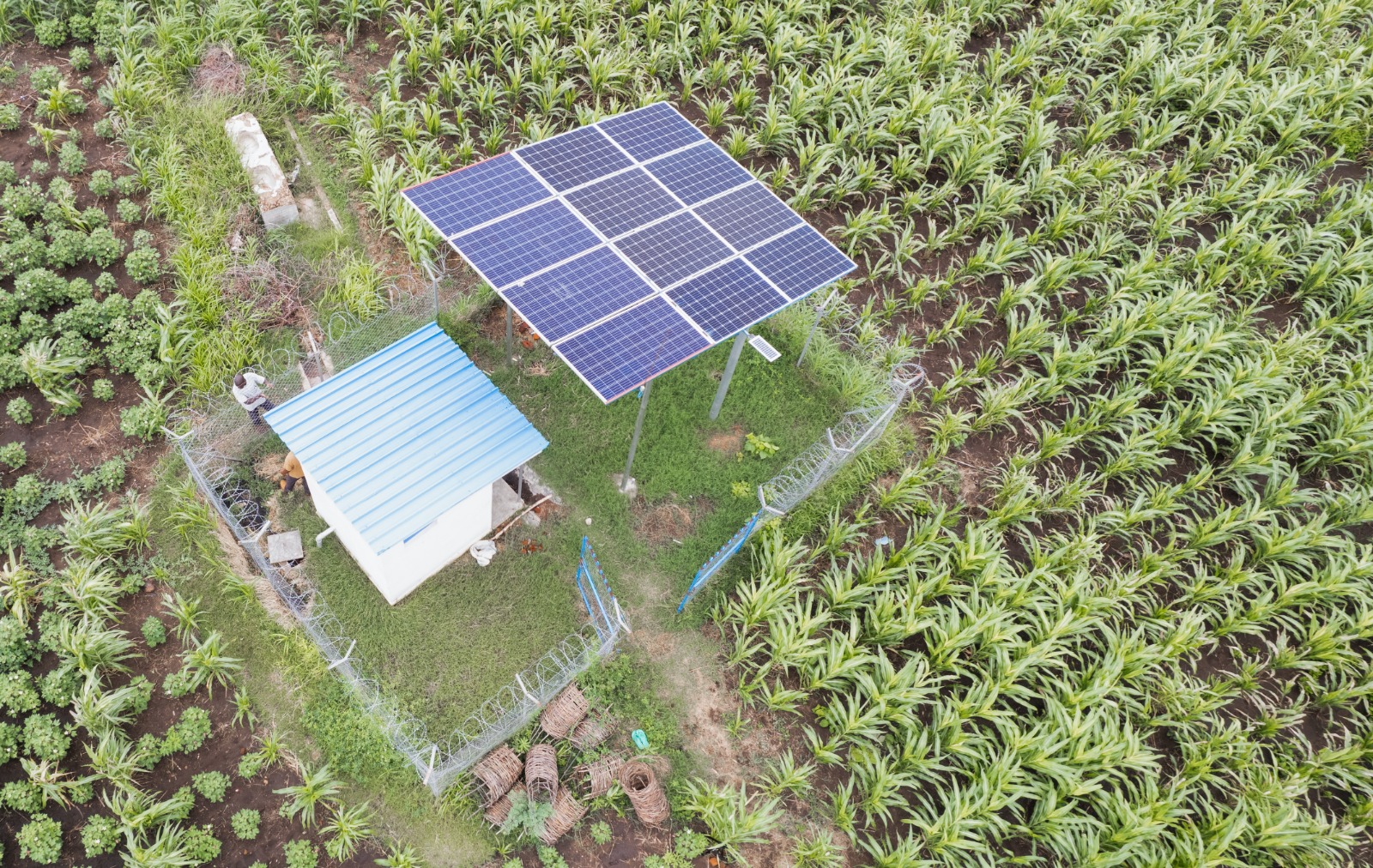
Manduwasa is in Traditional Authority Chamba, Machinga District. BASEflow built the solar-powered water system there, trained the committees that run it, and has worked alongside them each time something went wrong. As far as the headman was concerned, our part was done. What we were now telling him was that we wanted to stay involved a while longer, in a different way, so that the community could carry the scheme on its own once we leave.
Every water project has to answer the question of what happens after it ends, and it is an easy one to put off. A system can be well designed and well built, but pumps, pipes and taps only keep working while someone has the money and the means to look after them. At Manduwasa we decided to deal with that question while the project is still running.
Where the Idea Came From
There was no strategy workshop behind this. It started with an ordinary conversation between Tamandani and Muthi, BASEflow’s team leader. They were talking about the people of Manduwasa and asking themselves, honestly, how the community would keep the scheme going once our project phased out.
The Manduwasa Solar-Powered Water Supply System runs under a pilot Build, Operate and Transfer (BOT) model, supported by Trócaire. The Manduwasa Water Supply Utility Committee manages it day to day and pays for operation, maintenance and repairs out of the fees that water users contribute.
The community was already collecting those fees every month, and that money is what will make them independent. The trouble is that it builds up slowly, and one major breakdown can wipe out months of savings. So the question became: what if we matched whatever they collect each month? If the Committee brings in a certain amount, BASEflow puts in the same. By the end of the period they would have a much stronger financial base to keep the scheme running after we are gone.
That question is where the Revenue Matching Initiative came from.
How the Matching Works
From November 2026 to April 2027, BASEflow will match the Committee’s verified monthly revenue from water sales one-to-one. If the Committee collects MK1,000,000 in a month, we add another MK1,000,000.
The match comes with conditions, and they are there on purpose, because we want it to reward good management. Before the first contribution, the Committee prepares an investment plan setting out what it will buy, what each item will cost, how it will improve the running of the system, and when it will be bought. Every month it deposits all its revenue into its bank account and sends us financial reports with supporting documents, which we verify before paying the match. Each new payment also depends on evidence, such as receipts, procurement records and photos, that the previous one was spent as agreed. And once a month we sit down together to go over progress, problems and what we are learning.
Starting with Tools
Most of the first matching funds will go towards equipping the Committee’s own technicians with plumbing, electrical and masonry tools, safety gear, and diagnostic and repair equipment. The reasoning is practical. When a pipe bursts or a fault takes the pump offline, a committee that owns the right tools can fix the problem quickly instead of waiting for help from outside. That way the matching money turns into equipment the community keeps and uses long after the pilot ends.
Signing it Together
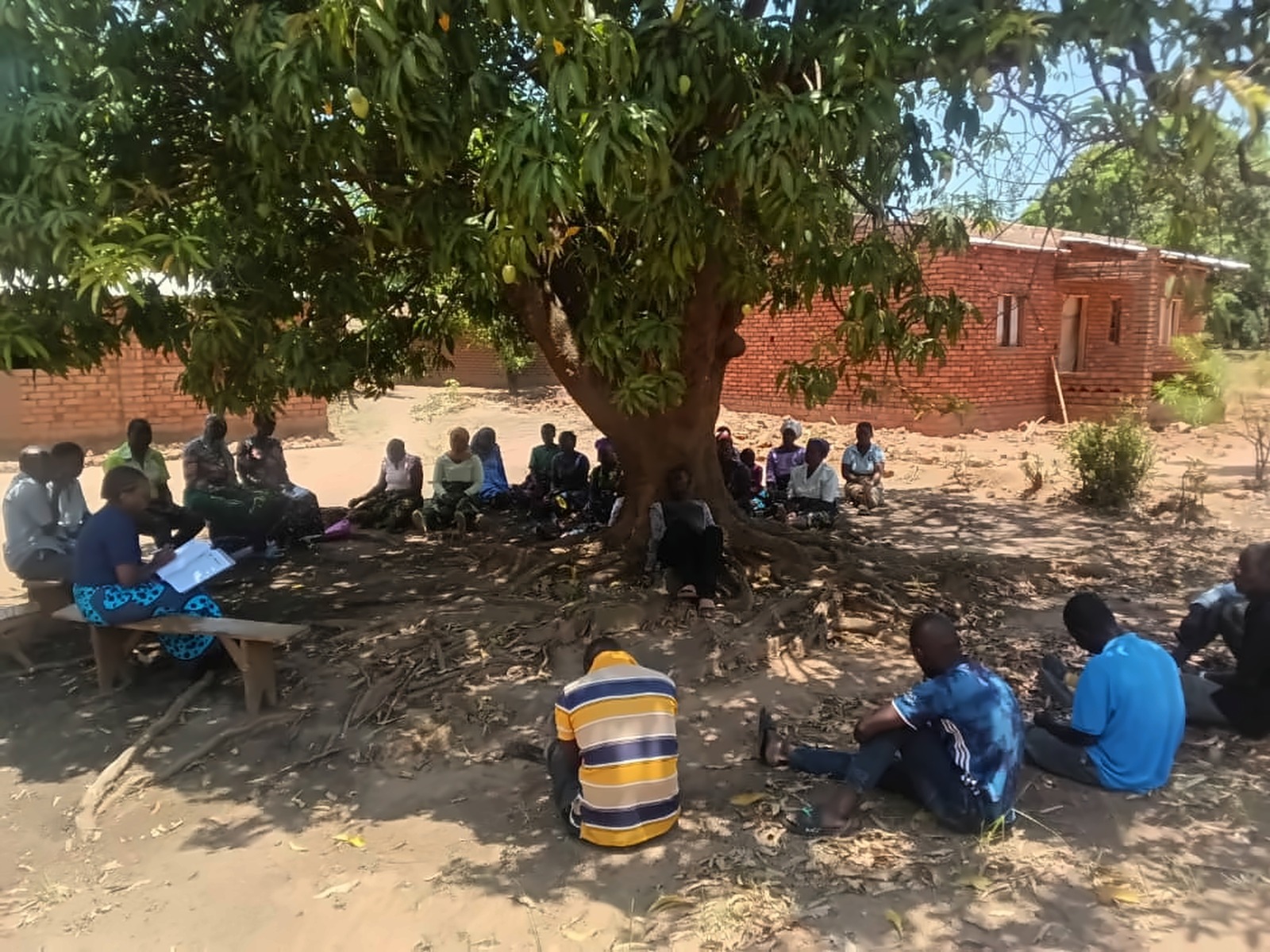
We wanted the community to own this initiative from the beginning, so we were careful not to simply hand over a document for signing. We set out the terms in a Memorandum of Agreement and asked the Machinga District Water Office to review it first. Then, on 11 November 2026, the two of us presented it at a meeting with the District Water Office, the Utility Committee, kiosk committees, village leaders and water users. We read the agreement aloud, explained what it would mean in practice, and answered questions before anyone was asked to sign.
People were excited. Committee members told us it is rare for an organisation that brings a development such as a water scheme to also support the community financially so that it can sustain the scheme itself. They saw it as a sign that BASEflow takes the needs of the people to heart.
The District Water Office felt the same way. Chipangano Petro, who represented the office, told the meeting: “We have a lot of water systems in this district, but this revenue matching initiative is the first of its kind. I would like to thank BASEflow for the good work you are doing in this community. Please keep it up.”
What Comes Next
Tamandani, as BASEflow’s Programmes Manager, put a challenge to the Committee: “This is a pilot initiative. Your performance will determine whether this approach can be scaled up to other water systems that we have constructed or those we will be constructing in the future. Let us utilize this opportunity to build our financial muscle.”
At the end of the six months, we will sit down with the Committee for a full review of the pilot. We will look at how well it worked, write up what we learned, and decide whether to take it to other schemes.
Building a water system is only part of the job. The rest is making sure the community has the money, the skills and the confidence to keep it running for years to come, and Manduwasa is where we are testing one way of doing that.