

Some trips teach you things. Others make you unlearn them. My AVF exchange and learning visit to Malawi was the second kind. I visited several organisations on this trip, but in this article I’m writing about one: BASEflow.
A Rocky Start, a Beautiful Surprise
I landed in Lilongwe on a Sunday, pleased with myself. I withdrew some cash, headed to the hotel, and went to pay, only to find my ATM card was gone. The machine had swallowed it, and I had walked away without noticing.
Back at the airport, I was kindly told to simply come earlier for check-in, since I was flying to Blantyre the next day. I did, and I had already checked in and was about to board when a lady from the information desk walked up and handed me the card. She had gone to the bank and collected it for me, just as I had asked.
I stood there, impressed. In that moment I knew I had arrived in a good place.
Full Flight and Fuel Crisis
Monday’s flight to Blantyre was packed, which puzzled me until I remembered the fuel crisis. I landed at 9:00 and by 12:00 was at the BASEflow office meeting Muthi and his team.
A Team that Means Business
The first thing that caught my eye as I walked in was the Safeguarding poster, clearly visible at the entrance of the BASEflow office. I thought, these people are serious.
The presentation confirmed it. I saw innovation, hard work, team spirit and a real hunger to learn. They spoke openly about their successes and their challenges. What I saw was an incredible locally led organisation with its boots on, ready to transform Malawi through its work.
Lunch, Malawi Style
Then came lunch, at an easy, no-fuss local place: nsima with goat meat. It was wonderful, and the conversation flowed as easily as the food.
Kapeni School: Building is the Easy Part
Next we visited Kapeni School and its integrated water system. What struck me was the honesty. Nobody hid the challenge of sustainability after installing infrastructure. We talked about how private actors could serve as anchor managers, and about how the Constituency Development Fund could finance water infrastructure and activities in rural communities.
These are the same challenges we face in Zambia. We also talked about the looming crisis of water abstraction and the urgent need for interventions like data and recharge. BASEflow’s commitment to generating data that feeds directly into solutions was remarkable. The day felt like much more than a workshop.
Flood-Proof Boreholes and a Cup of Tombwa
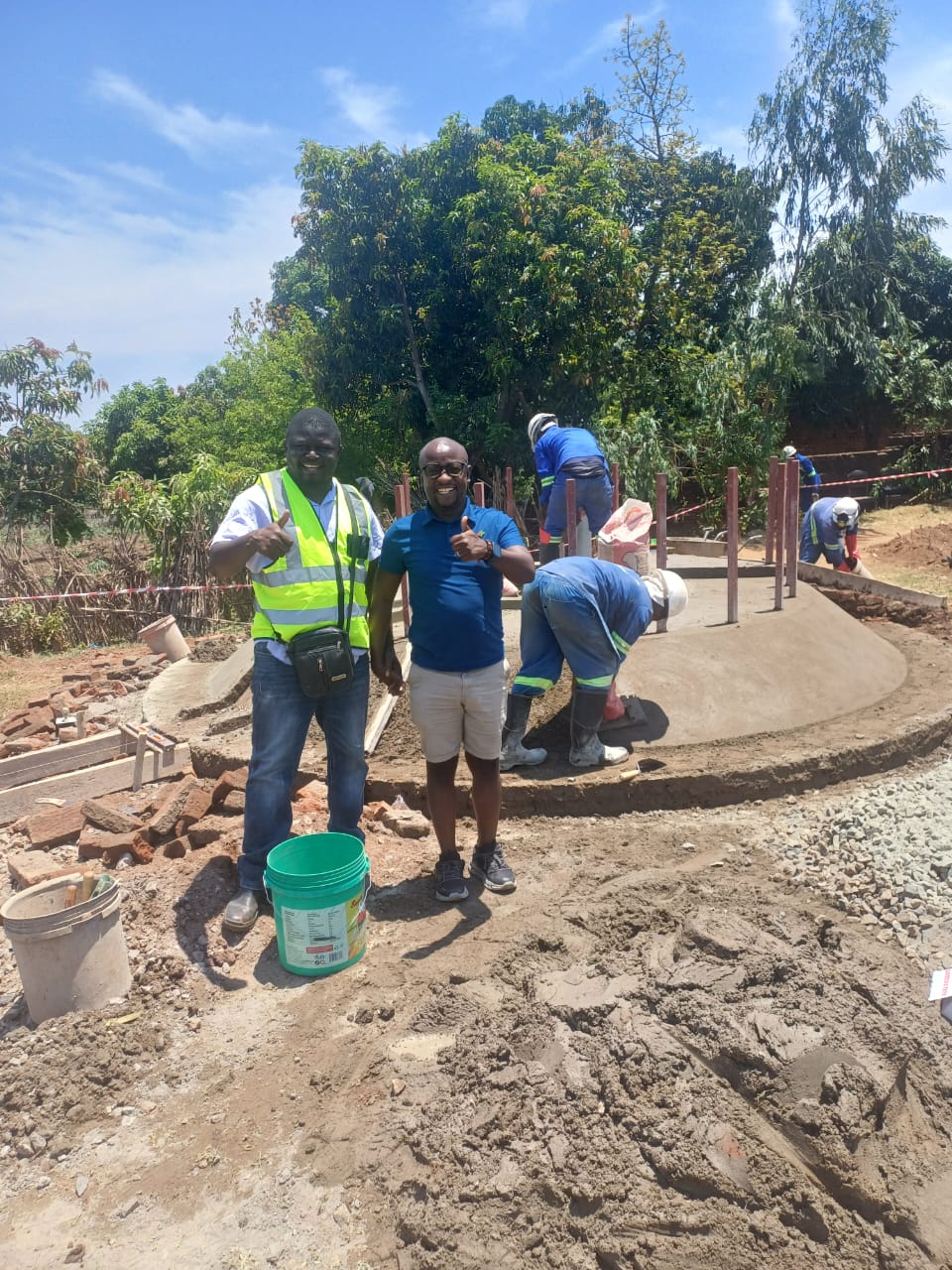
On day two, we went to see Flood-Proof Boreholes, and I was amazed. I took note of the infrastructure, the system and the pumps, and I promise you I will be singing about this in Zambia. We need it.
The construction team was committed, and I joined some of them on a break to share a cup of Tombwa, a local non-alcoholic brew. It reminded me that development isn’t only about data. It’s about the practicality of getting things done. For me, development should not only be seen. It should be felt, seen and experienced.
I also left thinking about complementary approaches such as deep bed farming, while back home we promote potholing.
Day Three: The Hill that Humbled Me
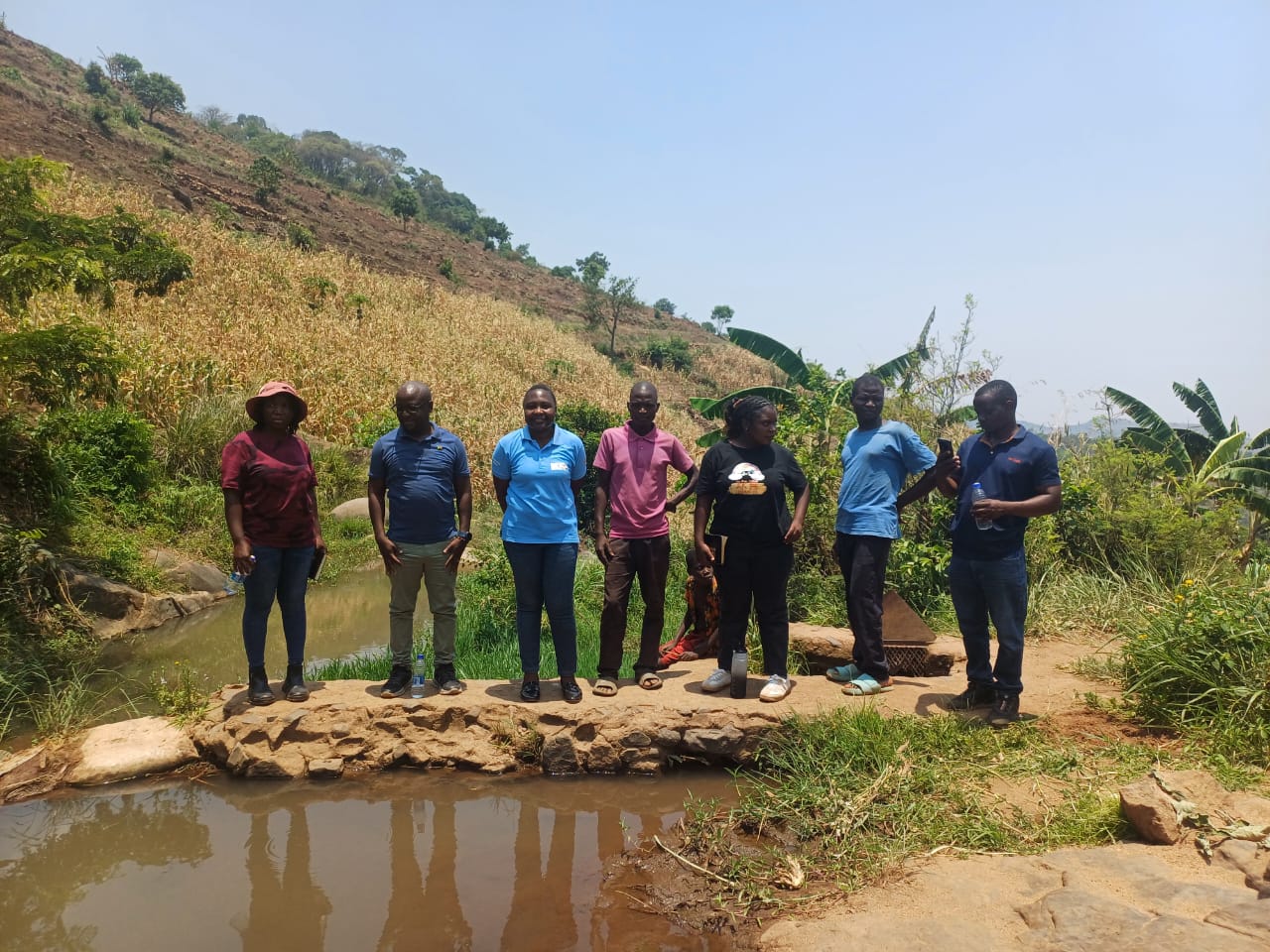
Day three involved the most exciting field site, and the toughest. I joined the BASEflow team for the Managed Aquifer Recharge (MAR) assessment, a real-life view of their work in action. The collaboration impressed me, with two local authority staff from Thyolo District Council and a colleague from Self Help Africa joining us.
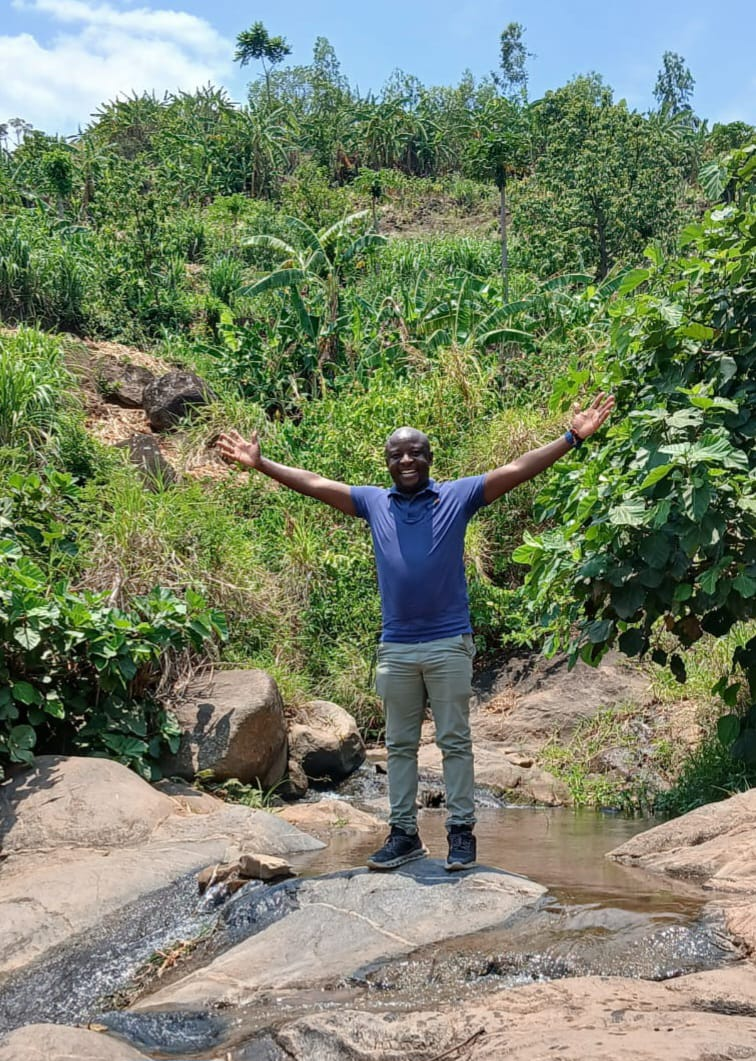
We parked the car and descended the hills on foot for more than 30 minutes to reach the water source, where gravity-fed farming was happening and where the community gets its clean drinking water. Going down, I had a sneaking suspicion about the walk back up.
I was right. At nearly 40 degrees Celsius, I took five breaks, and the first one was the most heart-thumping. I was sweating so hard I’m convinced the “Kuche Kuche” from the previous night was leaving my body. I came back with swollen feet, a gentle reminder that I need more exercise. The team kept apologising, but for me it was the most amazing field visit of the trip.
It showed me what commitment looks like: reaching the hardest places so communities can have reliable water, better health and better livelihoods. The data collected there will protect the land and serve generations to come. It made me sit and think about how impactful locally led organisations are, putting their breath of life into making change happen.
What I Learned (Or Rather, Unlearned)
- Locally led organisations hold the solutions to the challenges communities face.
- Data, data, data. Our actions should be informed by it.
- We all have challenges. There’s no need to shy away. Face them and be honest.
- Collaboration matters. Without it, the fish dies alone in the pond.
- Innovation can be the most obvious thing, and then you have that ‘Wow, why didn’t we do this?’ moment.
- New terms for my vocabulary: Flood-Proof Boreholes, Citizen Scientists and Deep Bed Farming.
Bye
My learning visit also took me to other inspiring organisations, including Action for Environmental Sustainability and the Centre for Water, Sanitation, Health and Appropriate Technology Development (WASHTED). I’ll share those stories in a separate article, because this one belongs to BASEflow, who keep striking a chord with me.
As I leave Malawi, I do so with a full heart and a long list of ideas. Next stop: Mombasa! We look forward to collaborating with BASEflow in many ways, and I’ll be carrying these lessons with me as I go. Soon enough, we will work out what we can build together.
Zikomo kwambiri, Malawi.