

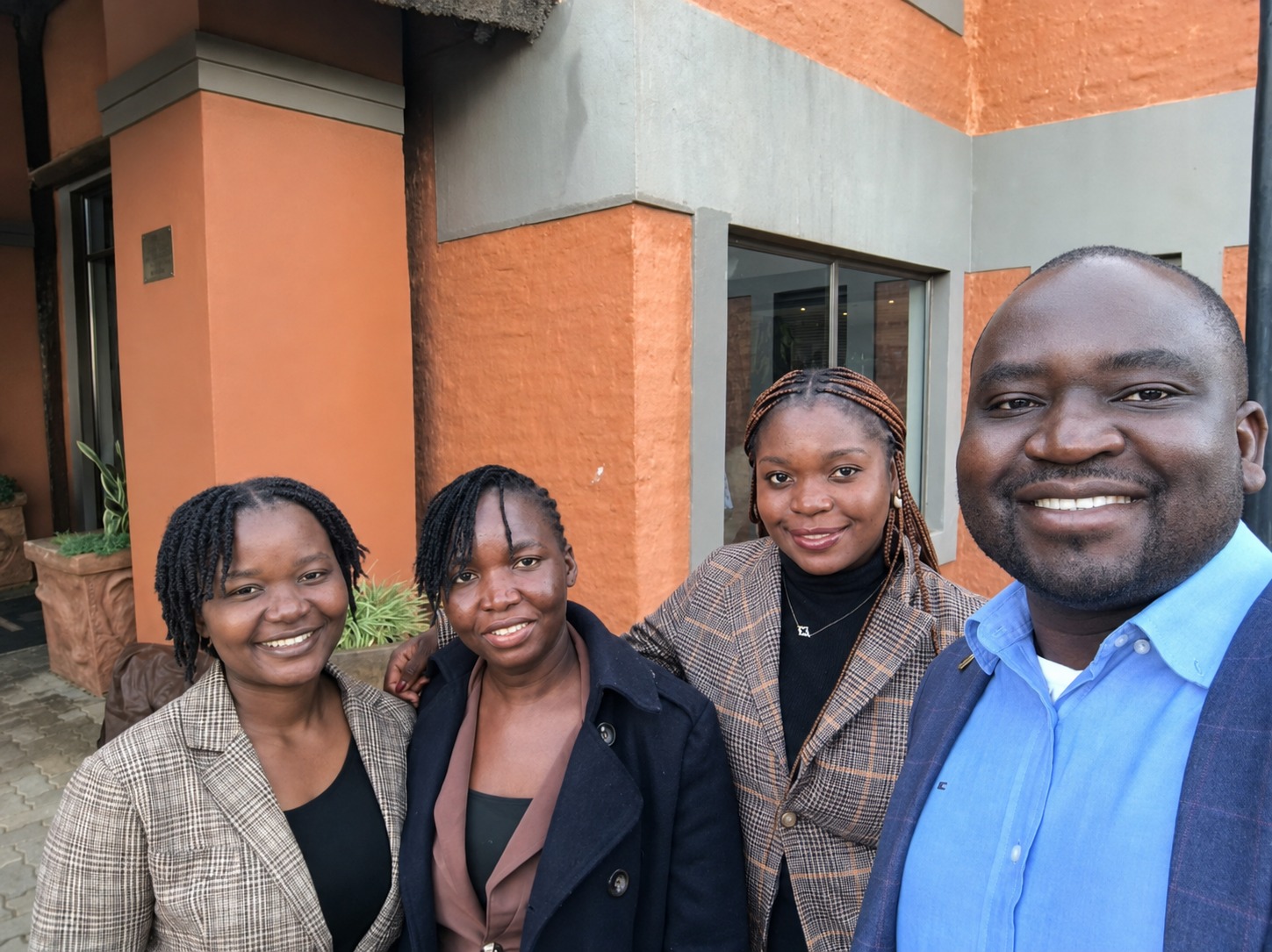
By the end of the SADC-GMI Young Professionals Winter School in Bloemfontein, those five words had become a running joke among the twenty-one of us gathered there. Whenever a facilitator asked a question, about groundwater governance, drought, monitoring, drilling, or community water supply, we, the Malawian participants, seemed to always have a practical example ready. We would start "In the case of Malawi…" We'd say it so often that eventually our fellow Young Professionals started saying it before we could. What began as a joke became the most memorable phrase of the two weeks, and it captured something true about the whole programme: different countries, different institutions, different geology, one shared regional conversation about groundwater.
We arrived in Bloemfontein from Malawi carrying our own experience of drought, of boreholes that fail communities when they need water most, of the daily work of trying to govern a resource nobody can see. We didn't expect that experience to come up in nearly every session. But it did, again and again, until we stopped being surprised and started being proud.
We weren't the only ones bringing something to the table. Sitting around us were engineers from the mining sector, academics, regulators, and community-focused practitioners: twenty-one young professionals from eight SADC countries, each shaped by a different corner of the region. Within a day, though, we were all speaking the same language: groundwater governance, policy, data, community. That mix is what made the two weeks work.
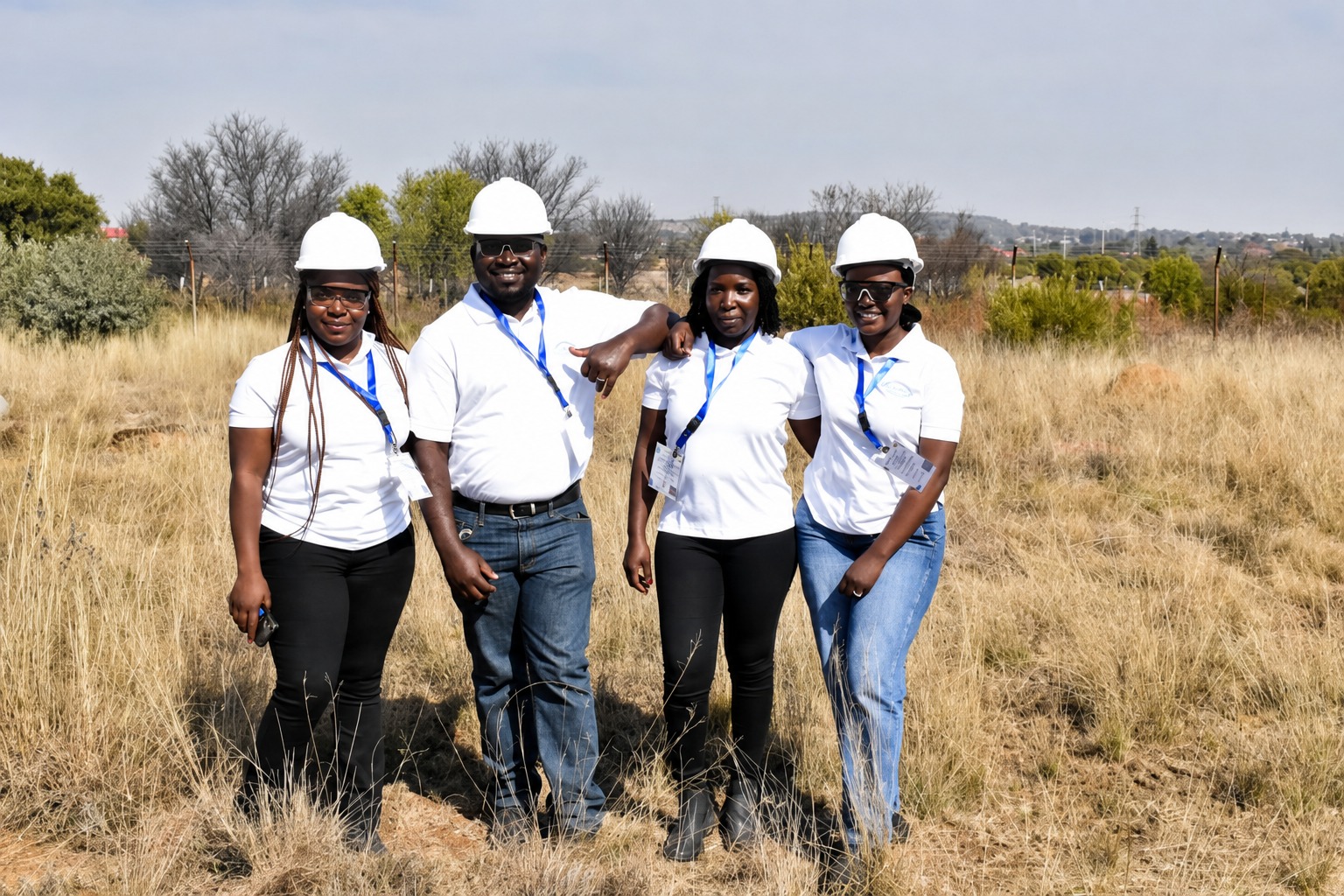
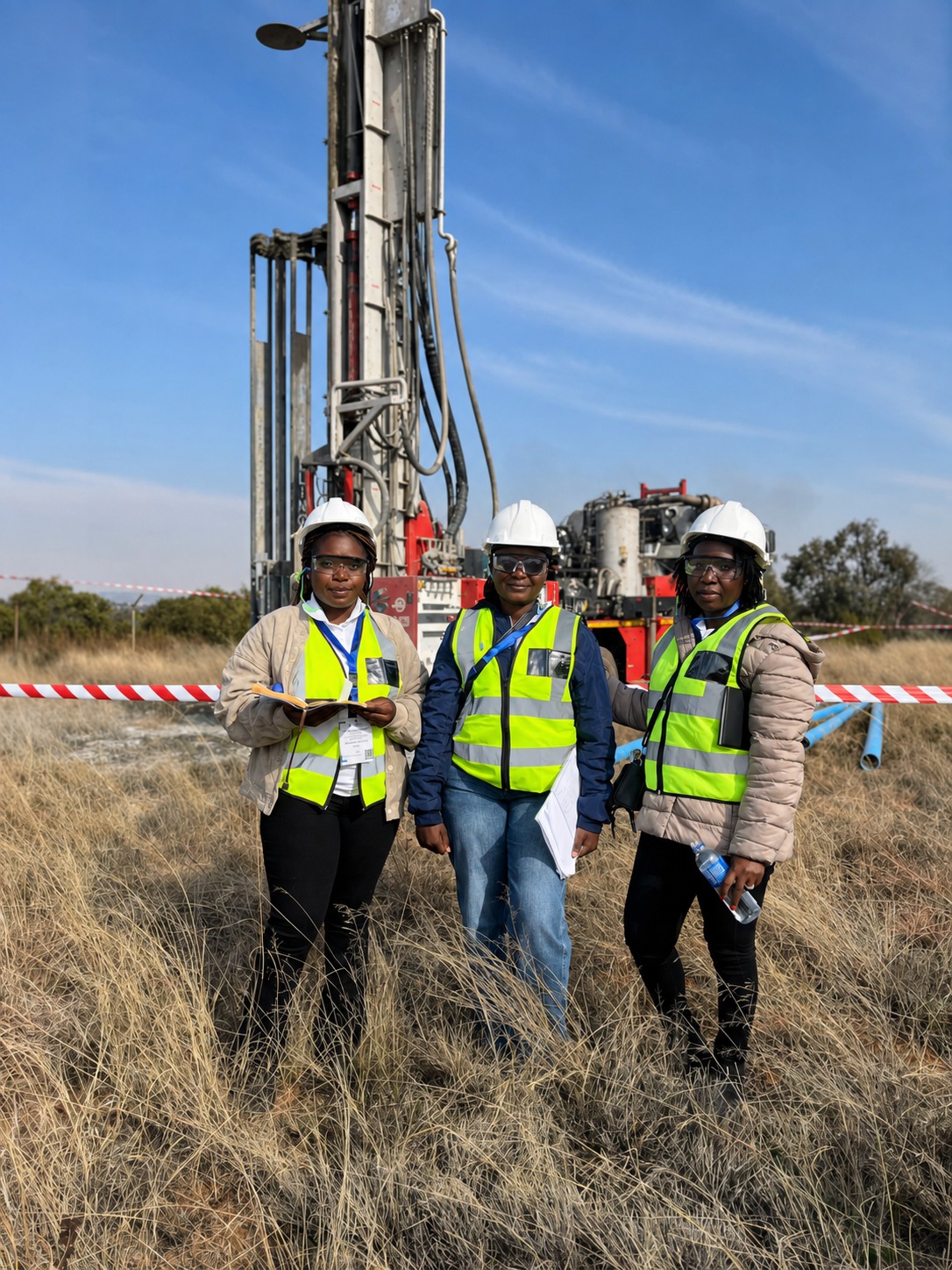
We moved from classroom sessions on environmental and social impact assessments, community engagement, and transboundary groundwater management, straight into the field: applied geophysics, borehole siting, a full day of drilling supervision at an actual drilling site. The programme refused to let theory float untethered from practice.
Some of what stayed with us had nothing to do with geology. Each of us was handed a scientific paper we hadn't written, to read, understand, and present back to the room. This quietly built a kind of confidence we didn't walk in with. Then came the proposal writing. We were split into groups and asked to design innovative groundwater projects, then pitch them to a panel of "funders," our facilitators and judges, sitting across the table with hard questions. It was a fitting way to end: everything we'd built over two weeks, compressed into one last push.
If there was a single thread running underneath all of it, it was data. Whatever the session, regulatory compliance, wellfield design, community water supply, the conversation always found its way back to the same point: we cannot manage what we do not measure. We'd heard that before, in theory. Two weeks of case studies from across the region made it land differently.
Looking back, the joke wasn't really about us being talkative. It was about recognition: that our experience, shaped by Malawi's own droughts, boreholes, and governance struggles, had something to offer a regional conversation. And listening to our colleagues from seven other countries, we heard our own challenges reflected back, differently framed, but unmistakably familiar. Different geology, different institutions, different social contexts, but the same underlying concerns: reliable data, sustainable development, climate resilience, and communities' access to water. Groundwater management, we were reminded again and again, is not only a technical discipline. It takes governance, collaboration, investment, and honest community engagement, alongside the science.
We came home with a certificate each, but that was never really the point. We came home with sharper technical skills, a clearer sense of how governance and community engagement sit alongside geophysics and drilling, and a network of twenty-one young professionals spread across eight countries that we know we'll be calling on for years to come.
We were proud, too, to see one of our own BASEflow colleagues among the hackathon winners, a small but telling reminder of what two weeks of shared learning can produce when diverse minds tackle a common challenge. We arrived at the winter school as Malawians with our own stories to tell. But we left as part of a wider SADC groundwater community, with new knowledge, new connections, and a phrase that will probably follow us for a long time.
"In the case of Malawi…" What started as a joke became a reminder that Malawi has valuable experience to share, and an important voice in the region.