

In collaboration with Water and Environmental Sanitation Network (WESNET), we recently hosted a WASH learning visit in Thyolo and Mulanje districts, bringing together practitioners, government officers, insurers, and development partners to explore a shared question: how can rural water systems be better protected and strengthened in the face of climate change?
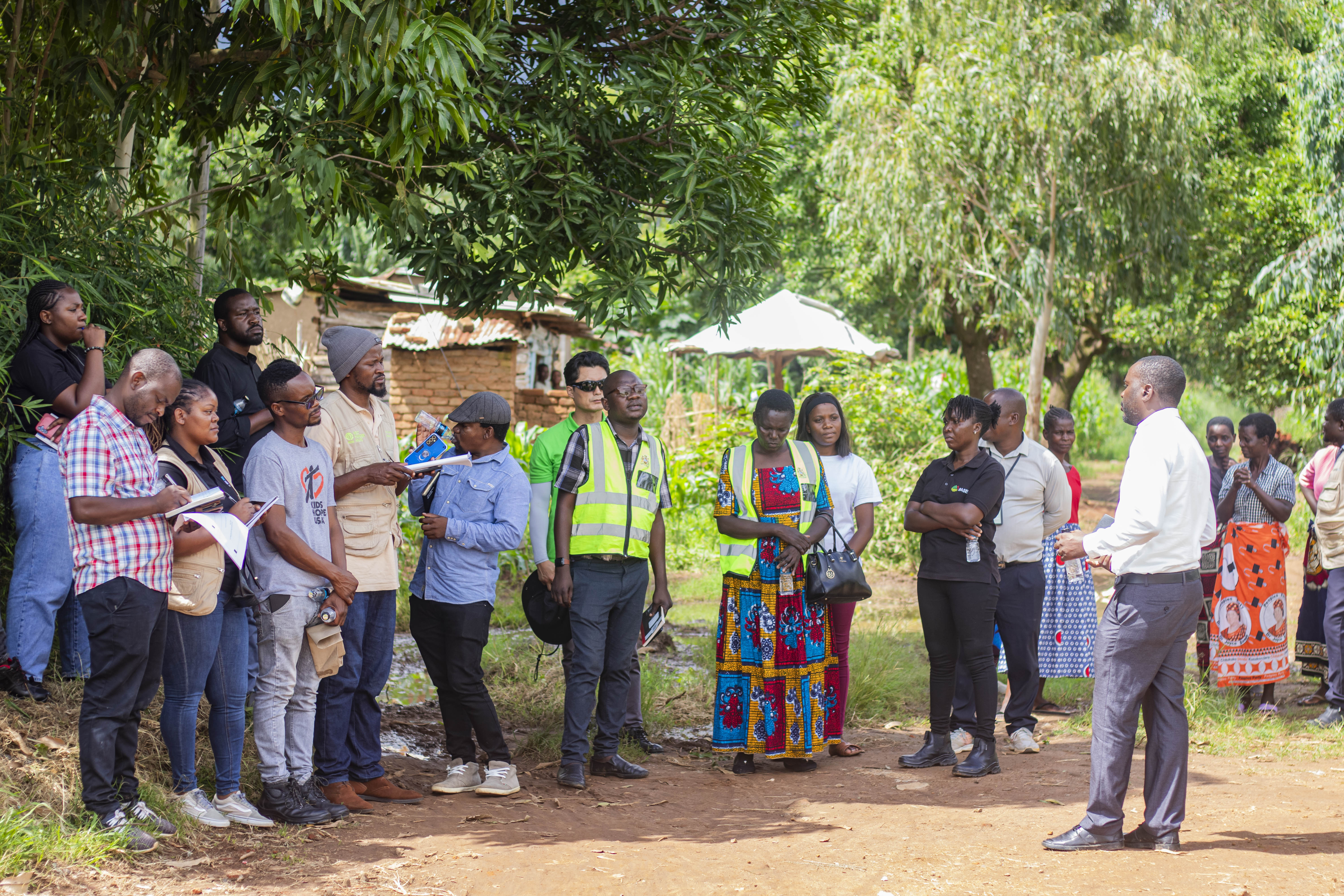
Before heading out into the field, our Team Leader, Muthi Nhlema, welcomed all participating organisations and thanked them for making time to engage with BASEflow’s work. He shared that the purpose of the learning visit was not to show-off BASEflow’s interventions, but to create an open platform for sharing experiences, lessons, and constructive criticism across the sector.
Muthi emphasised BASEflow’s belief that Malawi is in the midst of a growing groundwater crisis, and that addressing this challenge will require greater collaboration, transparency, and cross-learning among organisations. He noted that learning visits like this will become a more regular initiative for BASEflow, aimed at fostering shared learning and encouraging a broader movement of organisations working on climate resilience and improved groundwater management.
As an example of this collective approach in action, Muthi highlighted how Habitat for Humanity has already adopted telemetry-enabled groundwater monitoring in Lilongwe District. He encouraged more organisations to integrate different elements of BASEflow’s climate resilience and groundwater management approaches within their own programmes, explaining that expanding these innovations beyond BASEflow’s catchment areas is key to achieving wider impact.
The visit went beyond site inspections. It created space for open exchange, practical learning, and honest reflection on the future of groundwater sustainability and climate resilience in Malawi’s WASH sector.
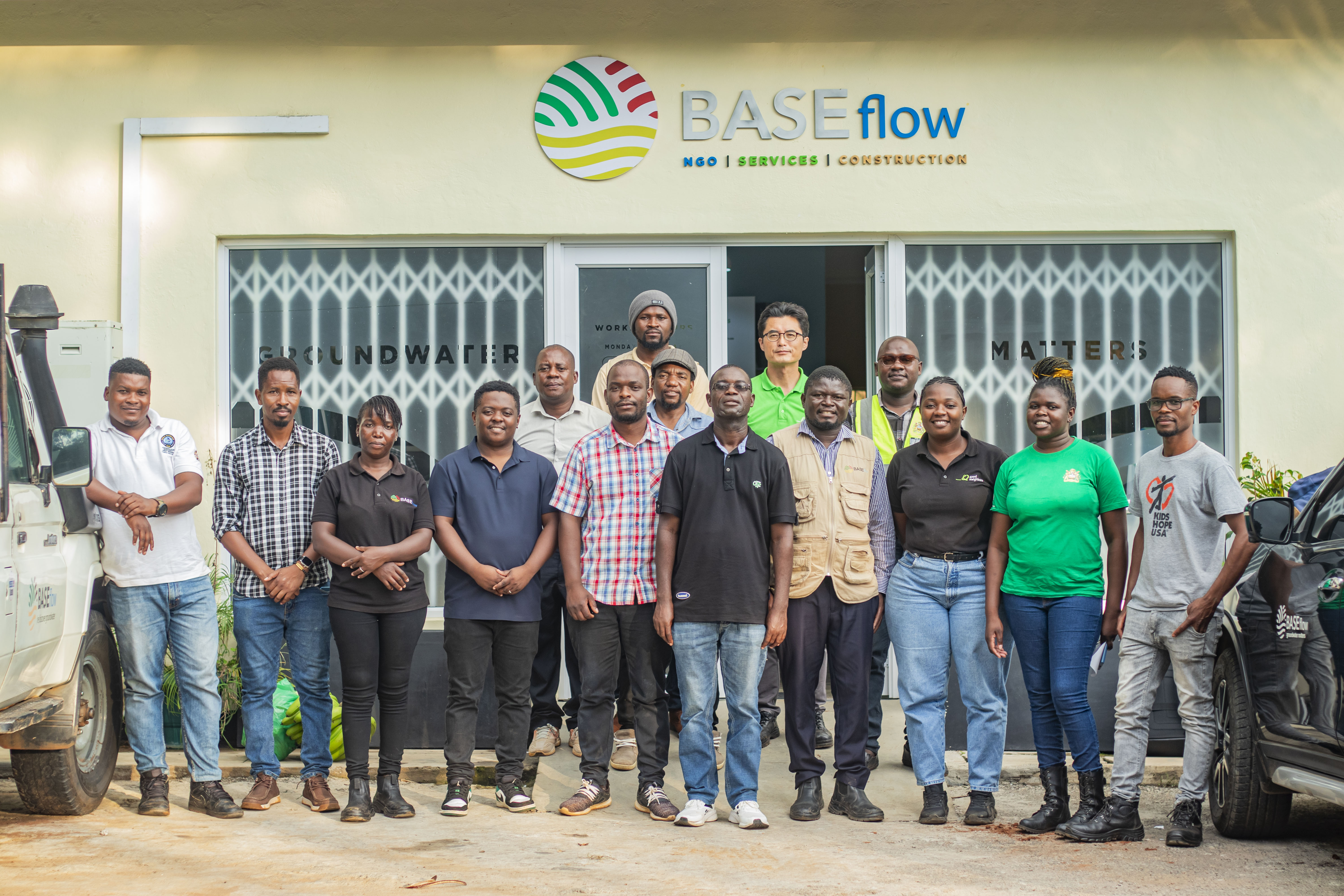
17 Participants joined from WESNET, Water Witness International, Good Neighbors, World Vision, Evidence Action, Fisherman’s Rest, WHH, the Regional Water Development Office in Blantyre, the District Water Offices for Thyolo and Mulanje, NICO General Insurance, and BASEflow. Each organisation arrived with its own perspective, yet discussions quickly revealed how interconnected many of our challenges are, particularly around groundwater management and long-term service sustainability.
Rather than presenting interventions as finished solutions, we walked participants through ongoing and completed initiatives as conversation starters. The learning visit was intentionally designed as a peer-learning platform. Throughout the day, participants questioned assumptions, shared experiences, and reflected on how different approaches could be adapted or strengthened within their own programmes.
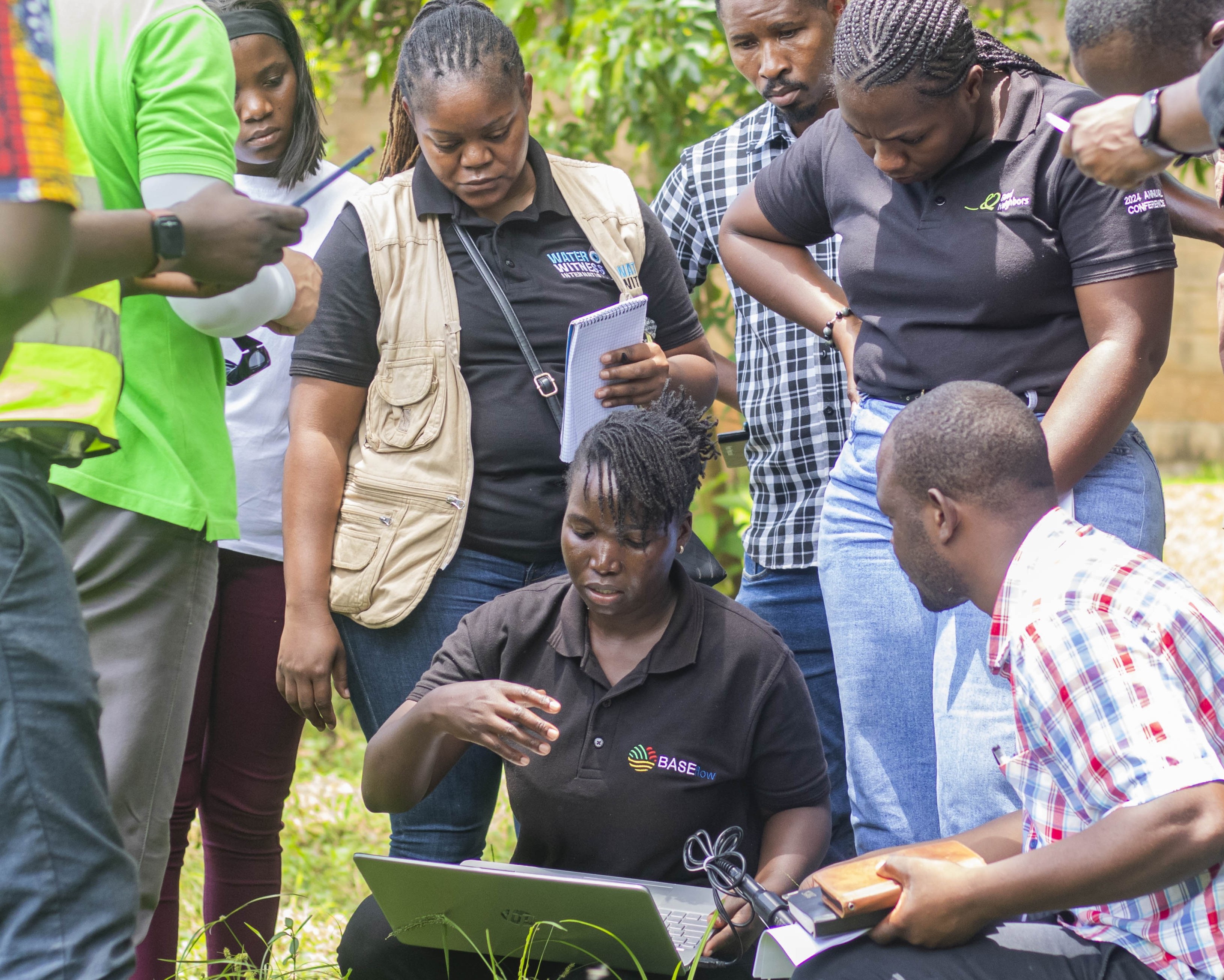
In Thyolo District, the group explored a telemetry-enabled groundwater monitoring well installed at the District Water Office. For many, it was their first time engaging directly with real-time groundwater data. Standing around the open well, discussions quickly moved into technical territory, from data accessibility and system costs to the spacing of monitoring wells and how such information could support planning and regulation.
Reflecting on the experience, Daeseon Ko from Good Neighbors shared, “At first, I didn’t really understand what groundwater monitoring through telemetry could do. I even went to search online to learn more about it. Seeing it in action today has really opened my eyes. It’s an innovation I hadn’t realised could be used to monitor groundwater so effectively.”
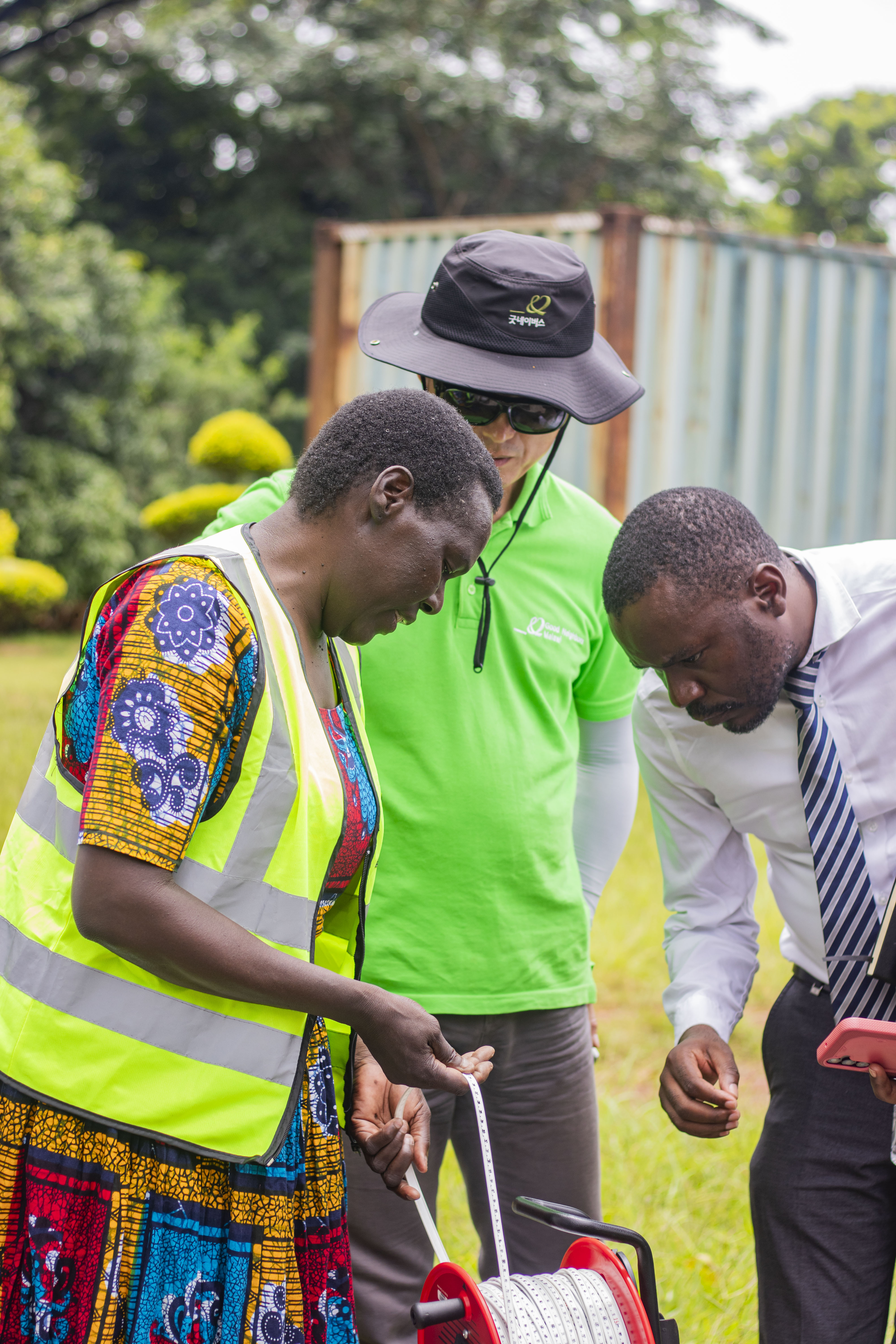
In Mulanje District, participants visited a traditional groundwater monitoring well where a trained Water Monitoring Assistant demonstrated manual data collection. This stop brought the conversation back to the fundamentals. While technology offers new possibilities, strong local systems and skilled personnel remain central to effective groundwater management. The group discussed how districts are beginning to use monitoring data, what trends are emerging, and how this information could better inform local decision-making.
The visit concluded in Chibade Village in the Muloza border area, where flood-proofed boreholes and a borehole insurance scheme are being implemented. Following the destruction caused by Cyclone Freddy in 2023, elevating boreholes addressed immediate infrastructure vulnerability. However, combining this with insurance and an endowment-style financing model introduced a longer-term resilience strategy.
During discussions around the insurance approach, Chisomo Girah from World Vision reflected on its potential, noting that, “This is what has been missing in the water supply insurance scheme we have been running in Mzimba District. Integrating infrastructure protection with a financing and risk management model like this is something we will definitely explore to strengthen the sustainability of our own scheme.”
What lingered most after the visit when we were heading back to the city was not a single technology or intervention, but a shift in thinking. Many participants shared that they had never considered combining groundwater monitoring, climate-resilient infrastructure, insurance mechanisms, and community governance in such an integrated way.
For us at BASEflow, the learning visit reaffirmed the importance of building a broader movement of organisations that actively integrate climate resilience and improved groundwater management into their work. We hope this learning visit marks a first step for some partners toward adopting and adapting these approaches within their own programmes. By learning together and sharing openly, we can collectively expand impact and broaden Malawi’s response to the growing groundwater crisis.